Permit vs. Permitless Carry: Why a Permit Still Matters When You Cross State Lines
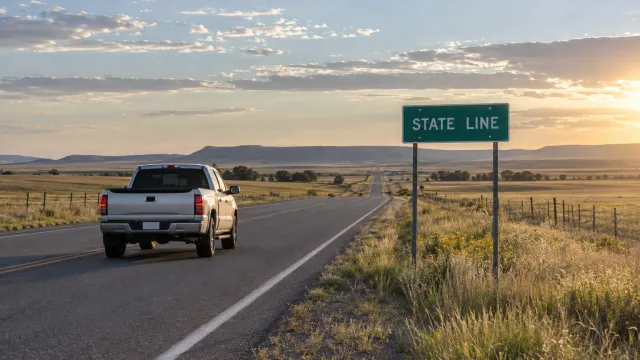
More than half the states now allow some form of carry without a permit. So why do so many people in those states still get one? Mostly, it comes down to what happens at the state line.
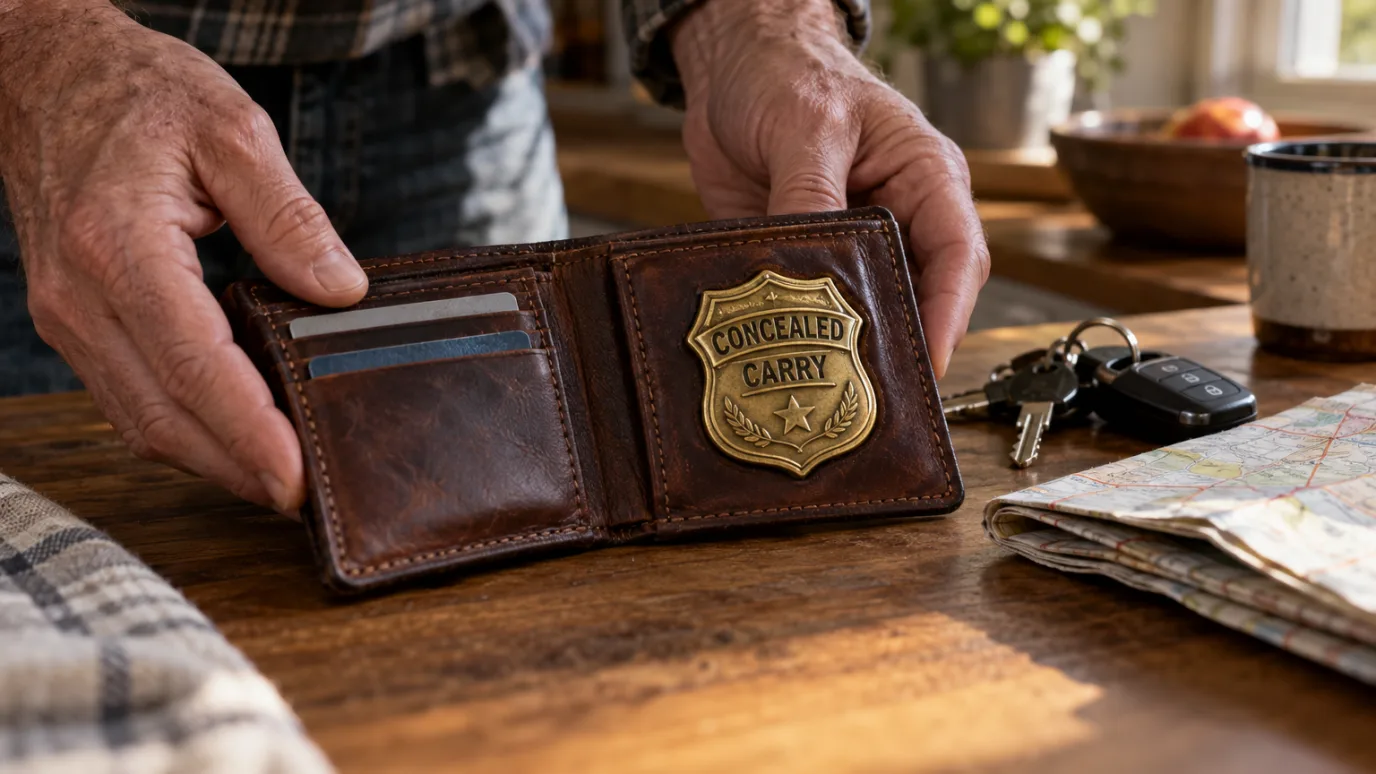
Not long ago, if you wanted to carry concealed, nearly every state required a permit. That's changed. Today, more than half the states allow some form of permitless carry, sometimes called "constitutional carry."
If you live in one of those states, it's fair to ask: why bother with a permit at all?
It's a good question. And the answer for a lot of people is simple. Permitless carry is a state law. It doesn't follow you when you leave.
What permitless carry actually means
Permitless carry means that, in that state, eligible adults can carry concealed without first getting a permit. You still have to be legally eligible. You still have to follow the state's rules about where you can carry. You just don't need the card.
The details vary. Some states set the minimum age at 21. Some extend permitless carry to visitors. Others limit it to residents or have other conditions. And most permitless states still issue permits for people who want one.
The big reason: it stops at the state line
Here's the key point. Permitless carry in your state covers you in your state. When you cross into another state, that state's law applies.
If the next state also allows permitless carry for visitors, you may be fine there. But if it requires a permit, you need a permit that state honors. Without one, carrying there could be against the law, even though you were completely legal an hour earlier at home.
That's where reciprocity comes in. States that require permits decide whose permits they'll honor. Reciprocity runs mostly on permits. No permit, nothing to honor. (Our reciprocity guide explains how this works.)
Other reasons people get a permit anyway
Travel is the biggest reason, but it's not the only one.
- Some states give permit holders practical extras. What those are depends entirely on the state. Your state's official site should spell out any differences between carrying with a permit and without one.
- Federal rules can treat permit holders differently. Federal rules about carrying near schools, for example, treat people licensed by that state differently from people carrying without a license. The details are technical, so look into how they apply to you.
- Training. If your state requires training for a permit, getting one means you've learned the law and the fundamentals. Even if it's not required, plenty of people find the process worth it for that alone.
- Peace of mind. A permit shows you've passed a background check and met your state's requirements. Some people simply like having that documented.
- Laws change. States can change their carry laws. Having a valid permit means you're not starting from scratch if the rules shift.
What about national reciprocity?
You may have heard about H.R. 38, a federal bill that would let people who can legally carry at home carry in other states too. As of this writing, it's pending legislation, not law. Some versions of the bill have also covered people who are allowed to carry without a permit in their home state. But nobody knows what a final version will say, or whether one will pass.
We break it down in national reciprocity explained. The short version: plan around today's laws. Today, a permit is what most states look for.
When a permit might not matter much to you
To be fair, not everyone needs one. If you live in a permitless state, rarely leave it, and your state gives no other benefits to permit holders, a permit may not change much for you day to day.
But think about how often you actually cross a state line. Family visits. Vacations. Hunting trips. Driving a relative to a doctor's appointment in the next state. For a lot of people, it's more often than they realize.
Ask yourself:
- How often do I travel to other states?
- Do those states require a permit? Would they honor one from my state?
- Does my state give permit holders anything that permitless carriers don't get?
If you're answering "often," "yes," or "I'm not sure," a permit is probably worth a look.
The bottom line
Permitless carry is a real change, and for many people it's a welcome one. But it's a state-by-state rule, and it ends at your border. If you travel, a permit is still the most practical way to carry legally in more places.
If you're ready to look into it, our simple application checklist walks through what to expect.
Note: This article is general information, not legal advice. Laws vary by state and change; check your state's official resources.